
 Services
 Portfolio
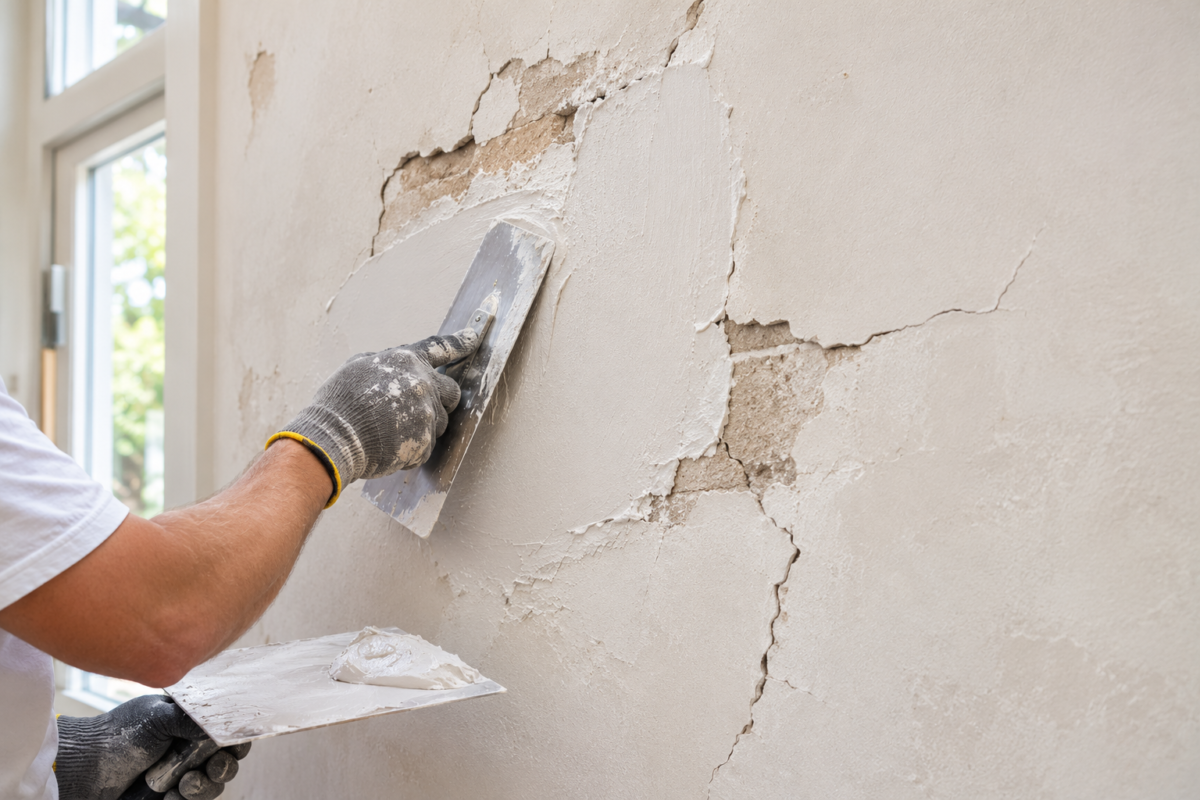
Cracks, dents and loose plaster can make an otherwise well-kept room look unfinished. Some defects are simple surface problems. Others point to moisture, movement or a weak substrate that needs attention before decoration begins. Good wall repair services start with identifying the cause, not simply covering the damage with filler or paint.
Homes in Den Haag include older properties, apartments and more recent builds. Wall materials and previous repairs can therefore vary from one room to another. A small nail hole needs a different treatment from a long crack, a deep impact mark or plaster that has lost its bond. This guide explains how to assess common wall damage, prepare the surface and choose a repair method that gives a sound base for the final finish.
Wall Repair Services in Den Haag: When a Wall Needs Attention
Look beyond the first visible mark. A wall may need repair when paint is bubbling, plaster is flaking, a patch feels soft, or a crack keeps returning after it has been filled. These signs can indicate that the problem extends below the decorative surface.
Small, stable imperfections are often cosmetic. However, cracks that widen, run diagonally, appear around openings or come with sticking doors and other changes should be assessed more carefully. Do not assume that every crack is harmless. If there are signs of movement or structural distress, ask a qualified building professional to investigate before carrying out cosmetic work.
Timely repairs help create an even surface for painting or wallpapering. They can also prevent loose material from affecting the next stage of a renovation. The correct scope depends on the size of the defect, the wall construction and the condition of the surrounding finish.
Wall Repair Services: Common Causes of Cracks and Plaster Damage
Normal building movement
Buildings respond to changes in temperature, humidity and load. Minor movement can cause fine cracks in plaster, especially where different materials meet or around door and window openings. A narrow, stable line may be a surface defect. A crack that grows or follows a repeated pattern needs a closer assessment.
Impact damage and everyday use
Furniture, door handles, shelves and wall-mounted equipment can leave dents or holes. Removing old fixings may also pull away paint and plasterboard paper. Small marks can usually be filled, while deeper damage may need several repair layers or a replacement section of board.
Moisture and leaks
Water can weaken plaster, stain paint and affect the bond between the finish and the substrate. The source may be a leaking pipe, a roof defect, condensation or water entering from another part of the building. Repair the source first. Filling and painting over a damp area can hide the symptom temporarily, but it will not provide a durable repair.
Poor preparation or failed previous repairs
Filler applied over dust, loose paint or unstable plaster may not adhere properly. Repairs can also become visible when the material, texture or application method does not match the surrounding wall. Before repeating a patch, remove weak material and establish a clean, stable edge.
Wall Repair Services: How to Assess the Type of Damage
Start with a visual check in daylight. Look across the wall from different angles and use a bright lamp held close to the surface to reveal ridges and shallow depressions. Photograph the damage and note whether it is changing. If moisture is suspected, look for recurring stains, a musty smell, peeling paint or a damp area that remains after the room has been ventilated.
Hairline cracks in plaster
Fine cracks limited to the plaster layer may be suitable for filling once the surface is sound. Gyproc Nederland explains the difference between cracks in the plaster layer and cracks in the wall construction; the latter can indicate a more serious issue that needs professional assessment. A crack that repeatedly reappears should not simply be filled again without checking why it is moving.
Deep cracks or cracks near openings
Wider, diagonal or growing cracks may indicate movement in the wall or building. Cracks around doors and windows can also be associated with local stress. Seek a professional assessment when the crack is changing, crosses masonry or is accompanied by other signs of movement. Cosmetic filling should wait until the cause has been understood.
Holes, dents and gouges
Small fixing holes and shallow dents can often be repaired with a suitable filler. Larger holes need a more controlled build-up so the repair does not shrink or remain hollow. If the substrate is damaged or a section of plasterboard is broken, the affected area may need to be cut back and patched with compatible material.
Loose, hollow or flaking plaster
Plaster that sounds hollow, flakes away or separates from the wall is not a reliable base for a new finish. The affected area needs to be assessed to establish how far the loss of bond extends. Loose material should be removed in a controlled way, then the substrate checked before a compatible repair system is applied.
Wall Repair Services in Den Haag: Choosing the Right Method
There is no single filler or plaster suitable for every defect. The repair should match the material, depth and condition of the wall. Using the wrong product can lead to poor adhesion, cracking or a patch that remains visible after painting.
Filling small surface defects
For shallow holes and stable hairline cracks, a suitable interior filler may be enough. Remove loose fragments, clean away dust and apply the product in accordance with its instructions. Deeper holes may need more than one application because repair compounds can shrink as they dry. Allow each layer to dry before adding another.
Repairing damaged plaster
When plaster has detached or become unstable, the weak area must be removed before rebuilding the surface. The edge should be sound and the underlying wall suitable for the repair material. Larger areas may need a base coat followed by a finishing layer. A professional can determine whether local patching or a wider replaster is likely to give the most consistent result.
Repairing plasterboard
Damage to plasterboard requires attention to both the board and its surface layer. A small puncture may be filled using a compatible repair system. A larger opening may need a supporting backing piece and a board patch, followed by joint treatment and finishing compound. The repaired area should be level with the surrounding wall before decoration.
Skimming an uneven wall
Where many repairs or texture differences cover a broad area, isolated patches may leave a visibly inconsistent finish. Skimming can create a more even surface when the existing substrate is stable and suitable. It is not a substitute for fixing damp or loose material. The wall must be prepared properly before a finishing coat is applied.
Wall Repair Services: Preparing a Wall for Filling or Plastering
Good preparation is essential. Protect floors and nearby furniture, then remove loose paint, dust and fragments from the damaged area. Do not enlarge a defect unnecessarily. The aim is to expose a firm edge and create a clean surface for the repair material.
Check for grease, wallpaper adhesive, salts or other contaminants that could affect adhesion. Use a suitable cleaning method and allow the wall to dry. Some substrates may need a primer or bonding treatment; follow the instructions for the specific product and surface. Do not apply a sealer or primer automatically without checking whether it is compatible with the repair system.
Older properties require additional care. Asbestos may be present in some building materials and cannot be reliably identified by appearance alone. If a wall covering, board, insulation or old finish may contain asbestos, stop before drilling, sanding or removing it. Arrange an assessment by a qualified specialist. The Dutch government explains the risks and the importance of an asbestos inventory in its official asbestos policy guidance.
Wall Repair Services: Drying, Sanding and Matching the Finish
Repair materials need enough time to dry. The required time depends on the product, depth, temperature, ventilation and moisture in the wall. Avoid covering a repair while it is still damp. Follow the manufacturer’s guidance rather than relying on a fixed number of hours for every situation.
Once dry, sand only as much as needed to blend the repair into the surrounding surface. Use appropriate dust protection and clean away the remaining dust before priming. A very smooth patch beside a textured wall can remain obvious, even when it is level. In that situation, the texture may need to be matched or a larger area finished consistently.
Colour matching also matters. A fresh coat applied only to a small patch can look different from an older painted wall because the existing paint has aged or faded. Depending on the room and finish, painting the full wall may create a more even appearance than touching up a small section.
Costs and Planning for Wall Repair Services in Den Haag
The cost of wall repair depends on the size and depth of the damage, the wall material and the amount of preparation required. Filling several small holes is different from removing loose plaster, repairing a plasterboard section or skimming a full wall. Access, furniture protection and the chosen final finish can also affect the work involved.
Moisture problems may require a plumber, roofer or another specialist before plastering can begin. Structural cracks may need assessment by a qualified building professional. These investigations should be separated from cosmetic finishing so that a quotation does not imply that surface repair will solve an underlying defect.
When comparing quotations, check whether preparation, removal of loose material, repair products, priming, finishing and clean-up are included. Ask which areas will be repaired and whether the final decoration covers only the patch or the full wall. A clear description makes it easier to compare like with like.
Wall Repair Services: A Practical Checklist Before Booking
- Photograph the damage. Record cracks, holes, stains and loose sections before work starts.
- Check whether it is changing. Note whether a crack is widening or a stain is returning.
- Identify possible moisture. Fix leaks and allow the wall to dry before cosmetic repairs.
- Assess the substrate. Establish whether the issue is in paint, plaster, plasterboard or masonry.
- Flag suspect materials. Do not disturb materials that may contain asbestos.
- Agree the repair scope. Confirm whether the work includes filling, replastering, skimming, priming or painting.
- Allow for drying time. Plan each stage around the manufacturer’s product guidance.
Common Wall Repair Mistakes to Avoid
- Filling a moving crack without investigation. The line may reopen if the cause remains.
- Covering damp plaster. Moisture can damage the repair and the new paint layer.
- Applying filler over loose material. A weak base cannot support a durable finish.
- Using one thick coat for every hole. Deep repairs may need multiple layers and proper drying.
- Skipping dust removal. Dust can interfere with adhesion and leave a poor finish.
- Ignoring texture and paint differences. A level patch can still be visible when the surrounding finish is different.
Wall Repair Services in Den Haag: How Renova Creative Can Help
Renova Creative lists plastering and wall repair among its home improvement services. Depending on the condition of the wall, the work may involve repairing damaged areas, smoothing uneven surfaces or preparing walls for a new finish. The appropriate scope should be confirmed after reviewing the condition of the surface.
When asking about this type of wall repair, share photographs and explain whether the damage is recent, recurring or linked to a leak. Mention any previous repairs and the finish you want, such as paint or wallpaper. This helps clarify whether the work is a local repair, wider plastering or a job that needs another specialist first.
You can review the available plastering and wall repair options, see the Renova Creative portfolio or contact the team about your wall repair to discuss the next step.
Frequently Asked Questions About Wall Repair
Can I fill a small crack in a wall myself?
A small, stable surface crack may be suitable for a DIY filler repair if the surrounding plaster is firm and dry. If the crack is wide, growing, diagonal or recurring, have it assessed before filling.
Why does a repaired wall crack appear again?
The original cause may still be active, the surrounding material may be moving, or the repair may not have bonded properly. Check the cause and condition of the substrate before repeating the repair.
Should I paint immediately after plaster repair?
No. Allow the repair material to dry fully, prepare the surface and use a compatible primer where required. Follow the product instructions before applying the final paint.
When is a full wall skim better than a small patch?
A skim may be more suitable when damage and uneven patches are spread across a large area. Local filling is usually more appropriate for isolated defects. The condition of the existing wall determines the choice.
Can wall repair fix damp problems?
Wall repair can restore damaged plaster after the source of moisture has been resolved. It cannot stop a leak or solve ongoing condensation by itself. Identify and address the moisture source first.
Start with a Sound Surface
A good wall finish depends on more than filler and paint. The damage needs to be understood, the substrate must be sound and each repair layer must be allowed to dry. With the right preparation and a method suited to the wall, cracks, holes and damaged plaster can be repaired without simply hiding the original problem.
If a wall in your Den Haag property needs attention, discuss the damage and the finish you want with Renova Creative. A clear assessment helps determine whether the job needs local filling, plaster repair, skimming or further investigation before decoration.
